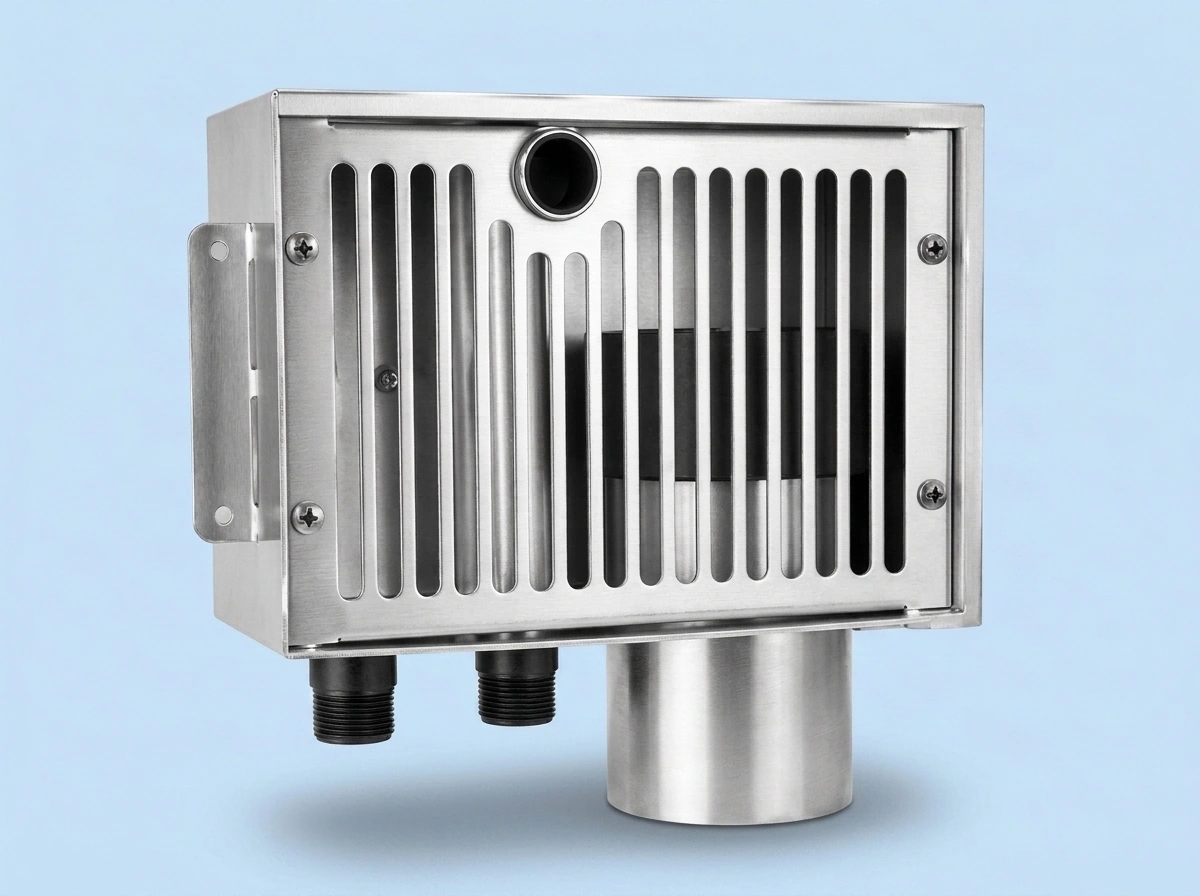
The skimmer is the first stop in pool water circulation: it catches leaves, pollen, sunscreen residue and dust at the surface before they ever reach the filter. Too few skimmers, or ones placed in the wrong spot, are the most common cause of cloudy water and chlorine-smell complaints — even in pools with a powerful filtration system.
How many skimmers does your pool need?
The general rule of thumb is one skimmer per 25-40 m² of surface area; the exact number depends on the pool's shape, prevailing wind direction and filter flow rate. In rectangular, regular pools, skimmers go on opposing corners; in irregularly shaped pools, they belong at the corners where wind piles up leaves and debris.
Too few skimmers lets surface debris mix back into the water and settle at the bottom, increasing the manual cleaning workload — which in turn drives up chlorine consumption and the risk of bacteria and algae.
Stainless skimmer or pond skimmer?
Stainless steel skimmers are recessed into the wall of a classic reinforced-concrete or liner pool and require a fixed water level. Pond skimmers use a floating design instead, so they adapt to fluctuating water levels — natural ponds, ornamental pools or overflow-edge systems — and typically handle a larger flow rate.
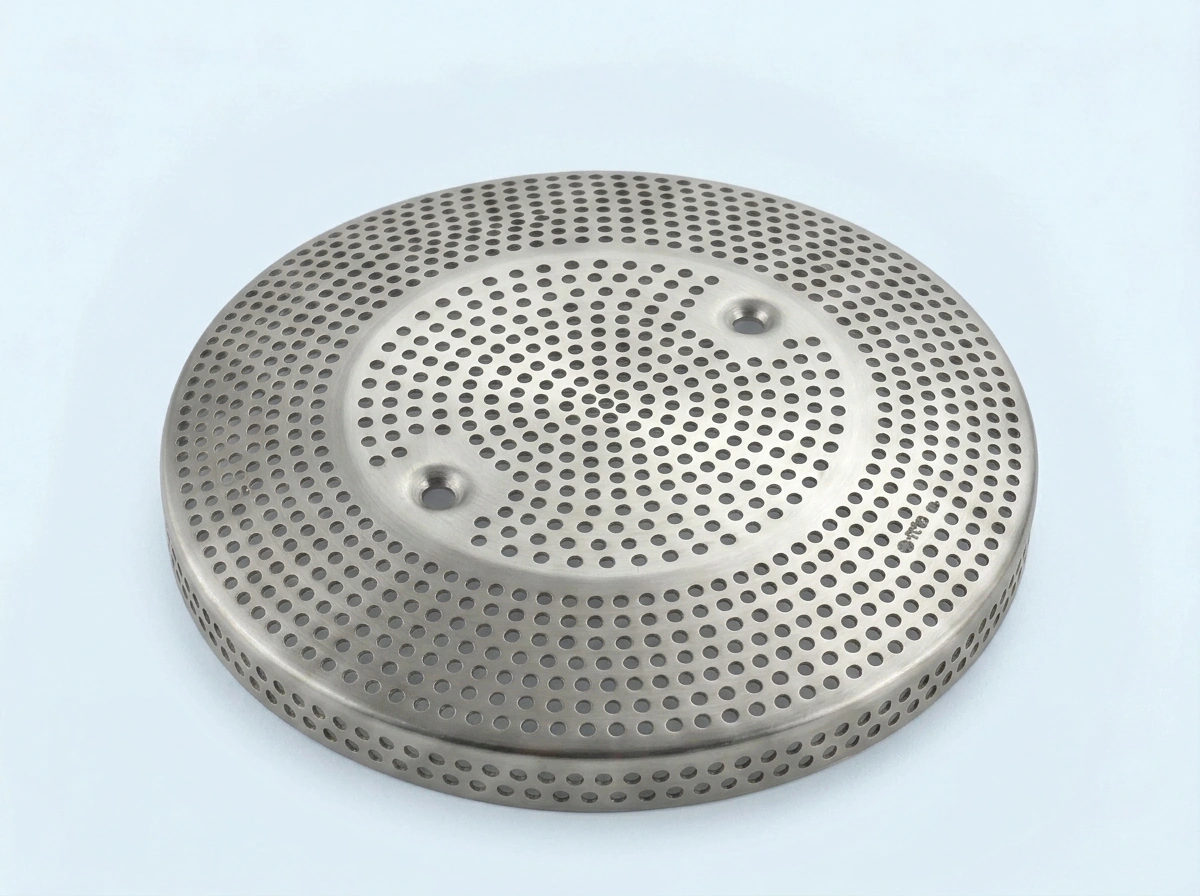
Plant room covers and side overflow grilles are complementary components that work alongside the skimmer system to keep water draining evenly.
How cloudy water relates to your skimmer
When the skimmer basket fills up, suction drops and surface debris mixes back into the water — many operators assume the filter is broken, when a weekly basket clean-out is actually the fix. Check the basket at least twice a week (daily during heavy use) and make sure the O-ring seal hasn't dried out and cracked.
A cracked or loose skimmer lid can also pull in air (cavitation), which reduces pump efficiency and can give the water a whitish, micro-bubble appearance.
Browse Skimmers & Covers
Side overflow grilles, stainless skimmers, pond skimmers and plant room covers.